Microneedling aftercare is one of the most important parts of the treatment journey, yet it is often where communication breaks down between clinics and their clients. The procedure itself may take under an hour, but the recovery period determines a significant portion of the outcome. For aesthetic practitioners, clear and structured aftercare guidance is not optional – it is a clinical responsibility.
At AestheticsRX Pharma, we work closely with aesthetic clinics across the UK to supply the professional products and support that underpin safe, high-quality treatment journeys. This guide covers everything your clinic should be communicating around microneedling, from preparation through to full recovery.
What Is Microneedling and Why Does Aftercare Matter?
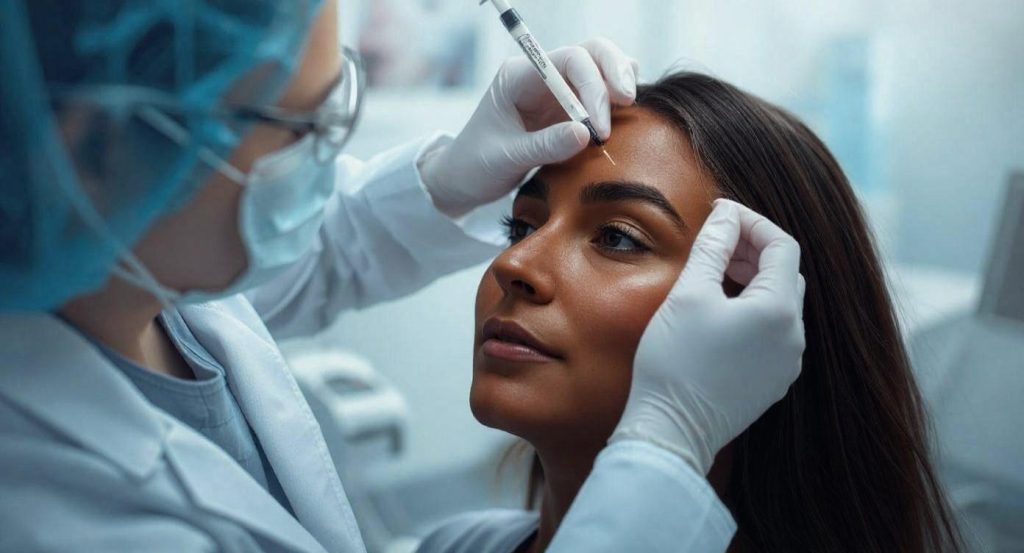
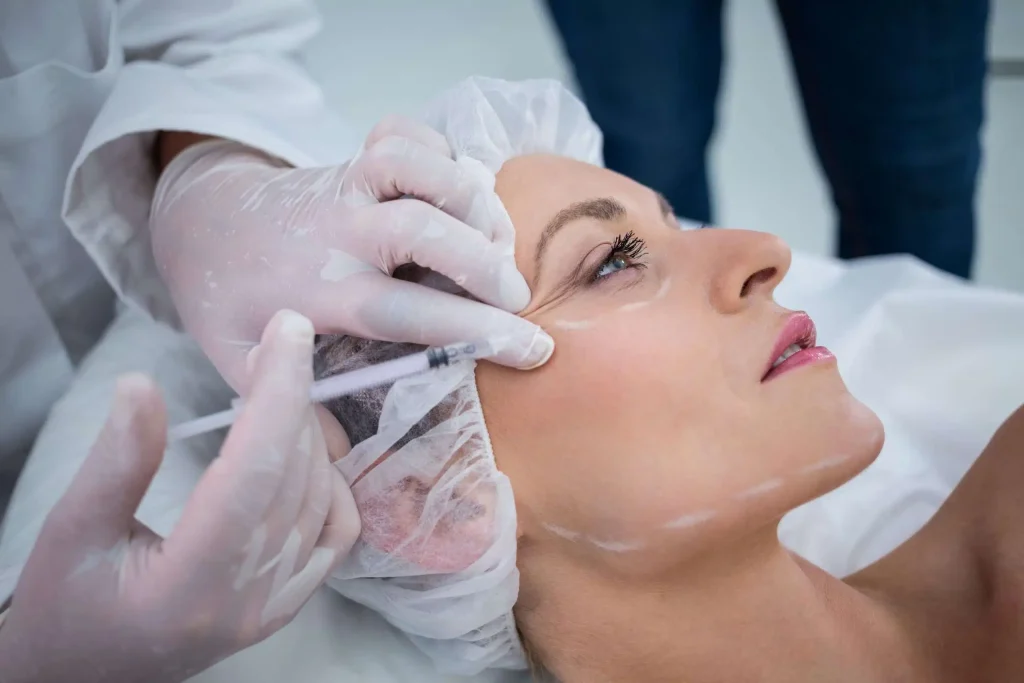
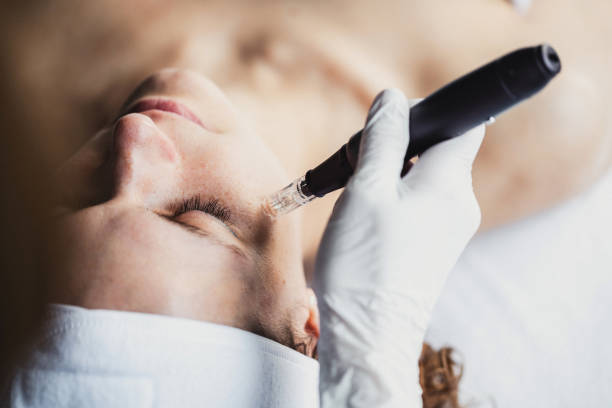
Microneedling uses a device fitted with fine, sterile needles to create controlled micro-channels in the skin surface. This process stimulates the skin’s natural repair response, making it a popular choice for clients looking to improve texture, reduce the appearance of acne scarring, address fine lines and restore general skin quality.
Because microneedling temporarily disrupts the skin barrier, the days following treatment require careful management. Poorly advised clients are more likely to use the wrong products, expose skin to unnecessary irritants or dismiss warning signs that need clinical attention. Strong microneedling aftercare education reduces these risks and significantly improves the overall client experience.
Preparing Clients Before the Treatment
Good microneedling aftercare starts before the client arrives. A thorough consultation should cover medical history, current skincare routine, recent treatments, active skin conditions, history of cold sores and any tendency towards pigmentation changes or scarring.
Before treatment, clients should generally be advised to:
- – Stop retinoids and exfoliating acids at least 48–72 hours before the appointment, or as directed by the practitioner
- – Avoid excessive sun exposure in the days leading up to treatment
- – Pause recent skincare changes to establish a stable baseline
- – Disclose all recent aesthetic treatments, including injectables, peels and laser, as timing can affect suitability
Setting realistic expectations during this initial conversation makes microneedling aftercare considerably easier to manage. Clients who understand that results are gradual and that some redness is expected are far less likely to panic or take unhelpful steps during recovery.
Immediate Microneedling Aftercare: The First 24 Hours
In the hours immediately following microneedling, the skin will typically appear red, feel warm or tight and may be mildly sensitive, comparable to a mild sunburn reaction. This is expected and should be communicated clearly.
During the first 24 hours, clients should:
- Avoid touching the treated area unnecessarily
- Use only gentle, fragrance-free, non-active skincare
- Avoid applying makeup unless the clinic has approved specific post-treatment products
- Avoid hot baths, saunas, steam rooms and swimming for at least 72 hours, or until swelling and any surface bleeding have resolved – this is consistent with NHS patient guidance on microneedling aftercare
- Stay out of direct sunlight and apply a broad-spectrum SPF
The skin is at its most vulnerable at this stage. The microneedling aftercare plan should focus on keeping things simple and calm rather than introducing new products.
Days 2–7: What to Expect During Recovery
Understanding the recovery timeline helps clients stay on track with their microneedling aftercare routine without unnecessary worry.
Days 2–3: Redness typically begins to reduce. The skin may feel dry, tight or slightly rough. Some clients experience light flaking or peeling, particularly if the treatment was performed at a deeper level.
Days 4–7: Dryness and flaking usually continue to settle. Many clients notice a fresher appearance beginning to emerge once the initial recovery phase passes. Gentle moisturisation and continued SPF use remain important throughout this period.
After approximately one week, and subject to the practitioner’s assessment, clients can generally begin reintroducing their regular skincare routine gradually.
What to Avoid After Microneedling
The disrupted skin barrier makes clients more susceptible to irritation from ingredients and products they might otherwise tolerate well. Clinics should provide a clear list of what to avoid during the recovery period.
Products and activities to avoid after microneedling include:
- – Retinoids and vitamin A derivatives
- – AHAs and BHAs (glycolic acid, salicylic acid)
- – Strong vitamin C formulations
- – Physical exfoliants and face scrubs
- – Fragranced products and alcohol-based toners
- – Self-tanning products
- – At-home dermarollers or needling devices
- – Unverified “healing” creams purchased online
Using strong actives too soon can increase irritation and may compromise the recovery process entirely.
Red Flags: When Clients Should Contact the Clinic
One of the most important aspects of a microneedling aftercare consultation is informing clients what is not normal. Clear red-flag guidance helps practitioners identify complications early and demonstrates a high standard of clinical care.
Clients should contact the clinic if they experience:
- – Pain that is worsening rather than improving
- – Increasing or spreading redness
- – Swelling that is not reducing after 48–72 hours
- – Pus, discharge or blistering
- – Fever or general illness
- – Severe itching, rash or signs of allergic reaction
- – Unexpected pigmentation changes
- – Any symptom that feels wrong or is getting worse
For guidance on recognising signs of skin infection and when to seek medical attention, the NHS skin infections information page provides a useful reference point for both practitioners and clients.
Building a Better Microneedling Service
Strong microneedling aftercare is not simply about handing over a leaflet. It is part of a broader commitment to client safety, professional standards and long-term outcomes.
Clinics can strengthen their overall service by:
- Providing clear written aftercare instructions at every appointment
- Taking pre- and post-treatment photographs with client consent
- Following up by message or phone after the treatment
- Stocking appropriate, practitioner-approved aftercare products
- Documenting consent, advice given and any client concerns
For clinics expanding their skin rejuvenation offering, it is also worth reviewing complementary treatment options. Our skin booster range and polynucleotide products are frequently used alongside or between microneedling appointments to support skin hydration and quality. You can also explore our full practitioner product range to find products aligned with your clinic’s aftercare protocols.
Final Thoughts
Microneedling aftercare is where client trust is built or lost. When practitioners take the time to prepare clients thoroughly, explain recovery honestly and provide clear guidance on products and red flags, the likelihood of a positive outcome improves significantly.
At AestheticsRX Pharma, we supply GPhC-registered, practitioner-verified products to support clinics delivering safe and responsible aesthetic treatments. If you would like to discuss suitable aftercare products for your microneedling clients, get in touch with our team.